Introduction: Understanding the Climate of Queen Creek
When it comes to landscaping in Queen Creek, one undeniable factor reigns supreme: climate. The arid desert environment poses unique challenges and opportunities for homeowners, making it crucial to understand how climate affects your landscaping choices. With temperatures soaring and minimal rainfall, selecting the right plants and materials can mean the difference between a vibrant yard and a barren landscape.
In this article, we will delve into the climate influences that shape landscaping in Queen Creek. We’ll explore plant selection, irrigation methods, soil types, seasonal changes, and more. Whether you’re starting from scratch or looking to improve an existing garden, understanding these elements will empower you to make informed landscaping decisions.
The Impact of Climate on Your Landscaping Choices in Queen Creek
Climate is not just a background detail; it's a driving force behind every decision made in landscaping. In Queen Creek, where hot summers are the norm and winters tend to be mild, landscaping choices become critical.
Understanding Desert Climate Characteristics
Queen Creek experiences a desert climate characterized by:
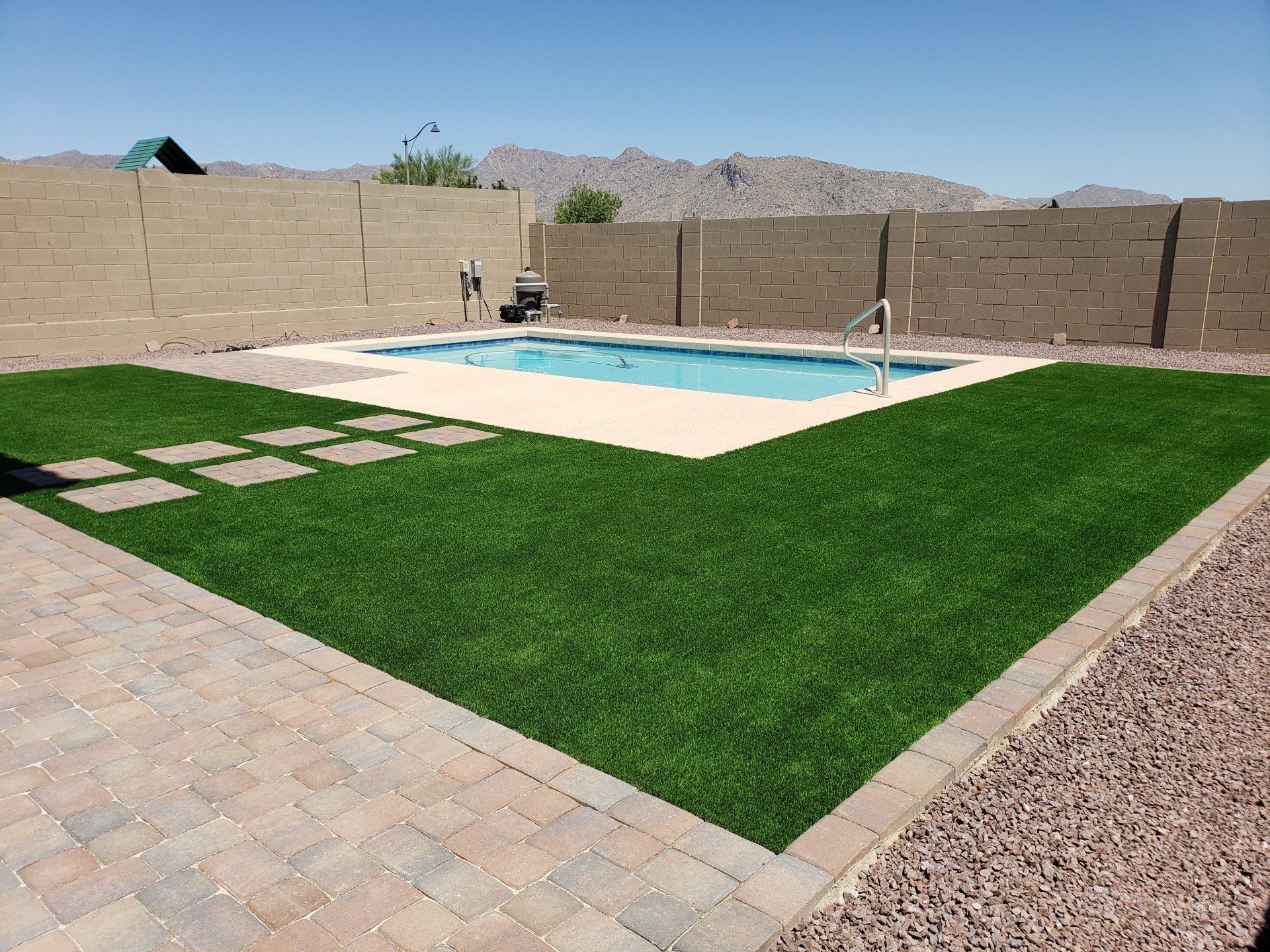
- High Temperatures: Summer temperatures often exceed 100°F. Low Precipitation: Annual rainfall averages about 9 inches. Mild Winters: Winters generally see average lows around 40°F.
These characteristics dictate what plants can thrive and how landscapes must be designed.
Essential Considerations for Landscaping in Queen Creek
When contemplating landscaping in such a demanding climate, consider the following:
Native Plants Are Your Friends
Native plants are adapted to local conditions and require less water and maintenance. This makes them ideal for sustainable landscaping practices.
Drought-Tolerant Species
Opting for drought-tolerant species reduces water usage significantly while still maintaining beauty.
Soil Quality
Understanding your soil type is vital for successful planting. Many areas have sandy or rocky soil that can affect drainage and nutrient availability.
Irrigation Practices
Efficient watering systems like drip irrigation help conserve water while providing adequate moisture to your plants.
Seasonal Planting
Timing is everything! Knowing when to plant certain species according to seasonal changes can maximize growth potential.
Choosing Plants That Thrive in the Heat
Best Plant Choices for Hot Climates
Selecting appropriate vegetation is paramount when landscaping in Queen Creek:
- Agave: This succulent thrives in dry conditions. Saguaro Cactus: An iconic choice that requires minimal upkeep. Desert Marigold: Bright yellow flowers that bloom year-round. Lantana: A colorful flowering shrub that attracts butterflies but needs full sun exposure.
Incorporating Shade Trees
While many desert plants enjoy full sun, incorporating shade trees can provide relief during scorching summer months. Some suitable options include:
- Mesquite Trees Paloverde Trees Palo Santo Trees
Hardscape Elements: Design with Purpose
The Role of Hardscaping in Desert Landscapes
Hardscaping involves non-plant elements like patios, walkways, and retaining walls, which play a significant role in desert landscaping:
Materials Selection
Choose heat-reflective materials like light-colored concrete or pavers to keep surfaces cooler.
Water Features
Incorporating small ponds or fountains can create microclimates that cool surrounding areas while also attracting wildlife.
Pathway Designs
Plan pathways using permeable materials that allow water infiltration while minimizing heat absorption.
Water Management Strategies for Sustainable Landscaping
Importance of Efficient Water Use
With limited rainfall, efficient water management becomes essential:
Drip Irrigation Systems
These systems deliver water directly to plant roots, reducing evaporation loss significantly.
Rainwater Harvesting Techniques
Capturing rainwater from rooftops helps supplement irrigation during dry spells.
Seasonal Changes and Their Effect on Landscaping Choices
Adapting Your Landscape Through Seasons
Understanding seasonal shifts is vital for maintaining an attractive landscape throughout the year:
Spring: Ideal for planting new species as temperatures begin warming up. Summer: Focus on maintenance—pruning dead branches and ensuring proper irrigation. Fall: Time for clean-up; remove debris while preparing gardens for winter. Winter: Protect sensitive plants from frost with mulch or coverings.The Economic Benefits of Climate-Conscious Landscaping
Cost Savings Over Time
Investing in climate-conscious landscaping may initially seem costly but offers long-term savings through reduced water bills and lower maintenance costs due to hardy plant choices.
FAQs About Landscaping in Queen Creek
What types of plants are best suited for the Queen Creek climate?
Native and drought-tolerant plants are ideal choices due to their adaptability to hot temperatures and low-water requirements.
How do I manage irrigation effectively?
Implement drip irrigation systems and consider rainwater harvesting techniques to maximize efficiency while minimizing wastefulness.
Can I grow vegetables in this climate?
Absolutely! Many vegetables like tomatoes, peppers, and squash do well when planted at appropriate times, primarily during warmer months.
What hardscape features enhance my landscape design?
Incorporate shaded seating areas using pergolas or awnings along with pathways made from light-colored stones or pavers that reduce heat retention.
How do I protect my landscape from extreme weather events?
Regular maintenance checks ensure weaker branches are trimmed back before storms hit; this minimizes potential damage during high winds or heavy rains.
Is hiring a professional landscaper worth it?
https://www.blossomandoak.com/Yes! Professionals like Blossom & Oak Landscaping bring expertise tailored specifically toward effective designs suited for desert climates enhancing both aesthetics & sustainability!
Conclusion: Embracing the Climate for Beautiful Landscapes
Landscaping in Queen Creek doesn’t just revolve around choosing pretty plants; it’s about creating sustainable solutions tailored to an unforgiving climate. By understanding how climate impacts your choices—from native selections to efficient water management—you can cultivate beautiful outdoor spaces while conserving resources efficiently!
By embracing these principles laid out throughout this guide on "The Impact of Climate Landscaper on Your Landscaping Choices in Queen Creek," you'll not only enjoy flourishing greenery but also contribute positively towards environmental sustainability! So go ahead—let's make those yards bloom brilliantly amidst our gorgeous desert backdrop!